
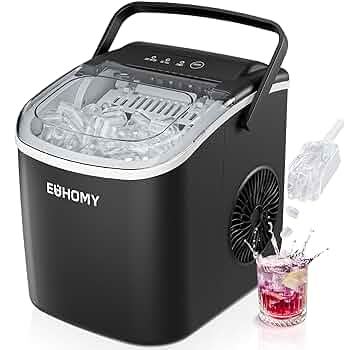
Small Machine, Big Party: Why a Countertop Ice Maker Belongs in Your Entertaining Toolkit
A compact countertop ice maker turns hosting from stressful to effortless. It pumps out clear, consistent ice fast—no more running to the store for bags or juggling freezer trays. Perfect for backyard barbecues, last-minute guests, and weeknight gatherings, it keeps drinks cold and hosts relaxed.
This guide covers how these machines work, what to look for in size and output, choosing ice type and capacity, placement and power needs, cleaning and hygiene, and creative serving ideas. Ideal for apartment dwellers, frequent hosts, and anyone who wants to simplify party prep and impress guests with minimal effort. Grab one and let the good times start today easily.
Why a Countertop Ice Maker Is a Party Game-Changer
Instant, predictable ice that frees up your hosting brain
A countertop ice maker takes one recurring party pain point off your plate: ice logistics. Unlike freezer trays that yield small, inconsistent batches or a last-minute run to the store for bags, countertop units produce steady quantities on demand. Typical consumer models spin out their first batch in roughly 6–15 minutes and can keep up for the whole night, so you’re not rationing cubes as guests arrive.
Practical benefits that matter when guests arrive
Real-world scenarios where ice changes the vibe
Quick hosting tips you can use tonight
Next, we’ll break down how these machines actually work and what size and output will suit your entertaining style.
How Countertop Ice Makers Work and What to Look for in Size and Output
The simple mechanics — explained without the jargon
Most countertop ice makers are surprisingly straightforward: you fill a water reservoir, a cold surface (an evaporator or freezer plate) chills that water into cubes, and a timing cycle ejects the finished ice into a storage bin. The cooling usually comes from either a small compressor (like a mini fridge) or a thermoelectric system. Compressors cool faster and handle heavy use, while thermoelectric units are quieter and more compact but slower and best for light-duty entertaining. Cycle time—the minutes it takes to freeze one batch—determines how often you get fresh cubes.
Key specs to compare and what they mean for your party
Translate specs into real-world hosting
For a cocktail party, estimate ~1 lb ice per guest. If you host 25 people, aim for a machine that can produce 25+ lbs in the first 2–3 hours or pair a smaller unit with an insulated bin and a pre-run before guests arrive. A compressor-driven model with 20–30 lbs/day and a 2–3 lb bin can handle frequent medium gatherings; choose a higher-capacity unit (like the Silonn 44 lb-class) if you regularly entertain larger groups or run multi-hour events.
Next up: where to put the machine, how to power it, and setup tips to keep service smooth.
Choosing the Right Ice Type, Size, and Capacity for Your Events
Common ice types and the moments they shine
Different countertop machines favor different ice styles. Match ice to the drink or display for the best guest experience.
Size matters: melting rate vs. chill speed
Choose cube size by trade-offs:
Estimating capacity so you don’t run out
Practical planning keeps the party flowing. Quick rules:
A few practical tips: pre-run the maker 30–60 minutes before guests arrive, store excess in an insulated cooler, and pair a nugget machine for casual events or a clear-cube model for upscale tastings. Next, let’s place and power your machine so service stays seamless.
Placement, Setup, and Power Considerations for Seamless Hosting
Make setup part of your party prep so the ice machine disappears into the background—cooling your drinks, not creating new work. Below are practical placement, water, electrical, transport, and contingency tips that work in real hosting scenarios.
Where to put it for smooth service
Think proximity and access: place the machine near the bar or buffet so servers aren’t making long trips, but not so close to heat sources (ovens, direct sun) that output suffers. A level, sturdy counter or folding table is a must—many units need a perfectly flat surface for the toss-free auger to work.
Water and drain choices
Decide between self-contained and plumbed-in options based on convenience.
Power and electrical safety
Protect guests and equipment with smart power choices.
Transport, staging, and high-demand backups
Moving machines is easy but do it right.
With these staging and safety moves, your ice will be the quiet MVP of the night—reliable and ready when guests clink glasses.
Maintenance, Cleaning, and Hygiene: Keeping Ice Safe and Tasty
Clean, odor-free ice is the secret ingredient to great cocktails and safe food service. A small routine prevents off-flavors, slowdowns, and health risks—here’s a compact, host-friendly regimen that actually fits into party prep.
Routine cleaning checklist (fast and effective)
Quick how-to (5–15 minutes)
- Unplug the unit.
- Remove ice and drain reservoir.
- Wipe accessible parts with sanitizer, use brushes for corners and inlet screens.
- Run a rinse cycle and discard the first batch.
Troubleshooting common issues
When to call a pro
Food-safety best practices
Creative Ways to Use Your Countertop Ice Maker for Entertaining
Signature cocktails with consistent ice
Give each cocktail its perfect look and dilution. Use larger square or sphere molds for spirits-forward drinks, or nugget ice for highball and tiki-style pours. Example: pair GE Profile Opal (nugget) for frozen mojitos and a small clear-cube machine like the Frigidaire EFIC189 for Old Fashioneds to keep flavor consistent across rounds.
Stage seafood and charcuterie like a pro
Create a chilled bed for oysters, shrimp, or charcuterie displays using crushed ice made from a batch of standard cubes. Keep a shallow tray of fresh ice topped with damp seaweed or decorative leaves; rotate ice every hour to prevent pooling and soggy presentation.
Chilled dessert stations
Plates for lemon posset, panna cotta, or plated ice creams benefit from a pre-chill. Quickly cool dessert plates by filling them with ice for 3–5 minutes, then empty and serve. For frozen cocktails and boozy slushies, run continuous nugget ice into a blender for smoother texture.
Themed molds and colored ice for kid-friendly parties
Make edible fun with fruit-filled sphere molds, or tint ice with fruit juice/herbal infusions for non-alcoholic punch bowls. Freeze edible flowers in large cubes for an elegant baby-shower touch—just thaw slightly before placing in punch to avoid clouding.
Continuous nugget ice for blended drinks and smoothies
Nugget ice (chewable, fast-crushing) is ideal for Daiquiris, margaritas, and smoothies—machines like the GE Profile Opal produce a steady stream so you can blend one pitcher after another without waiting.
Quick party-planning ice logistics
With these creative uses and simple logistics, your countertop ice maker becomes a quiet party MVP—next, the article wraps up with final hosting tips.
Make Every Gathering Chill and Effortless
Add a compact countertop ice maker to your hosting kit and you instantly eliminate a common party pain point. Choose a model that matches your typical guest count by prioritizing reliable hourly output, the ice type you prefer, and a capacity that reduces refill interruptions. Consider placement and power needs up front so service stays smooth.
Keep hygiene and simple maintenance in mind: regular cleaning, sanitizing, and filter care preserve flavor and safety. Match features to how you entertain—small weekly gatherings or weekend blowouts—and pick the machine that keeps drinks cold and conversation flowing. Ready to upgrade your setup today?
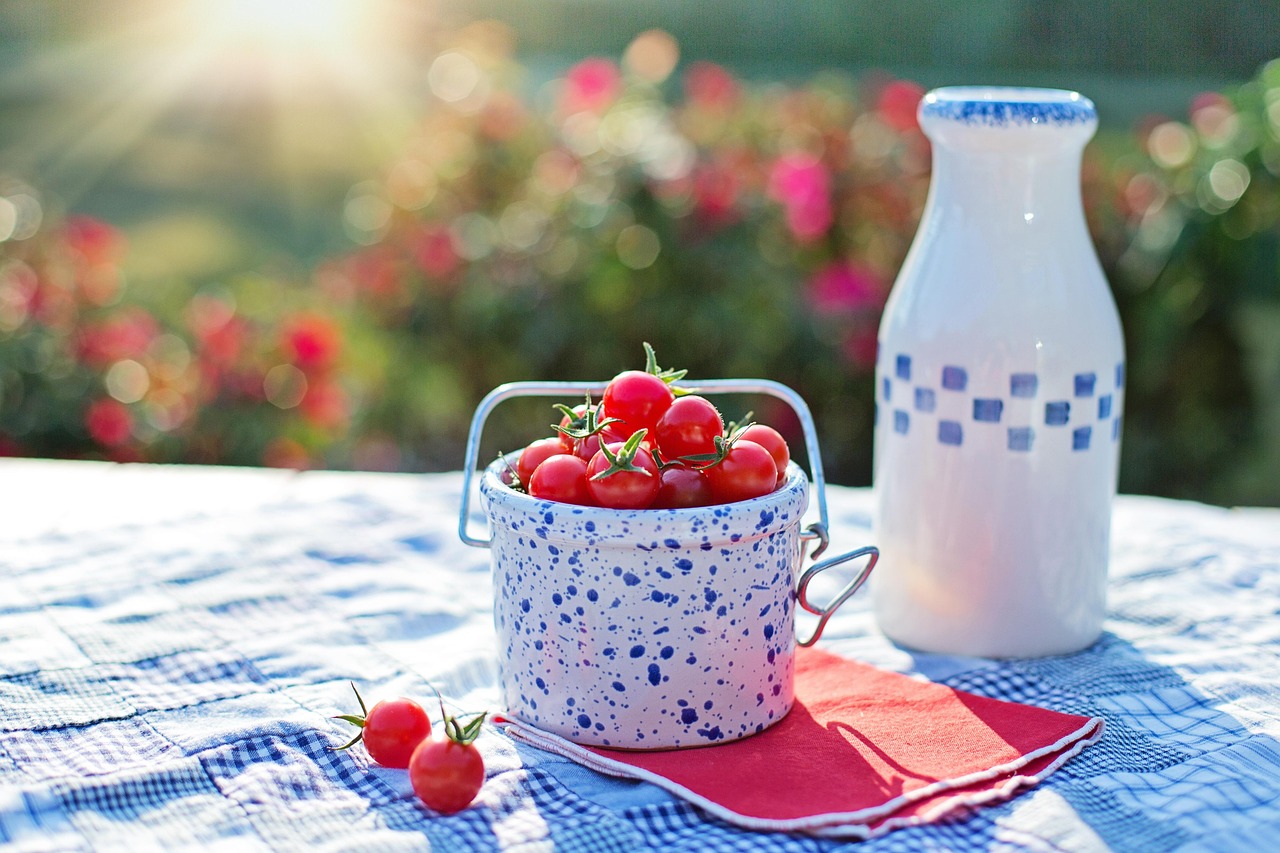
ROTTAY Silicone Sphere and Large Square Trays = instant bar flex. People love the giant spheres in cocktails. Only downside: they melt slower but take forever to unmold if you forget to oil the silicone 🤦♂️
You can warm the mold briefly under hot water to loosen them. Also, sphere ice makes any drink look 10x fancier even if it’s a cheap mixer 😂
Good tip, Noah. The article mentions ROTTAY for presentation — silicone is flexible but a quick warm rinse helps release spheres cleanly.
Pro tip: freeze in stages with distilled water for clearer spheres. People think you’re a pro bartender. I once made my neighbour’s birthday cocktail look like magazine-level.
Slightly annoyed — had a DUMOS and it conked out mid-party once (stopped making ice). Customer service replaced it but ideas: always have backup ice and test the machine a day before.
Compact is great until it’s not. 😒
Sorry you had that issue, Marcus. For peace of mind, test the unit ahead of time, and if it’s older than warranty period, consider servicing or replacement.
Some compact machines overheat if ventilation is blocked — make sure vents aren’t boxed in during long runs.
Did the replacement DUMOS last? mine’s been fine for two seasons so far.
Been there. I now stash a 10-lb bag of store ice in the freezer so I can top up in emergencies. Ugly but effective.
Looking to buy my first countertop ice maker and on a budget. From the article, EUHOMY and DUMOS seem affordable, Silonn is the big investment. Any buyer tips? Which is best balance of price/reliability? Also — are the AIEVE brushes necessary or overkill?
Check warranty length and user reviews for long-term reliability. Sometimes a slightly pricier unit with 2-year warranty saves headaches.
If you’re starting out, get the smaller unit and learn your hosting patterns. You can always upgrade later. Brushes are worth it imo.
For budget + reliability: EUHOMY is a solid mid-range pick; DUMOS is great if you prioritize quiet and compact size. Silonn is for heavy users. AIEVE brushes are inexpensive insurance — they make cleaning easier and help hygiene, so not overkill.
Also check return policy — if it arrives noisy or faulty, a friendly return window is life-saving.
Short story: ice maker saved my New Year’s — EUHOMY + ROTTAY spheres = party hero. Guests thought I was fancy. 10/10 would recommend. 😎
Love a good party win! Glad it worked out, Jake.
Haha same. Presentation makes everything taste better, apparently.
Big fan of the Silonn High-Capacity Countertop Ice Maker (44lbs) for large weekend parties.
It’s a beast — makes tons of ice fast. But:
– It takes up quite a bit of counter real estate.
– Needs a dedicated outlet (no extension cords ideally).
If you have space and host often, it’s worth it. If you only host occasionally, might be overkill.
Agree. I bought a Silonn for summer parties and it’s amazing, but I had to clear half my garage shelf to store it when not in use. Worth it for frequent hosts though.
Great summary, Evelyn. Yes, Silonn is aimed at heavy users — consider placement and ventilation before purchase.
Loved the roundup — been eyeing the EUHOMY Portable Countertop Ice Maker because of that handle feature. Super handy for moving between patio and kitchen.
Quick question: does anyone notice loud vibration/noise when it’s running? I host late-night gatherings and don’t want a drone in the background.
Glad it helped, Maya! The EUHOMY is generally rated as moderately quiet, but placement matters — put it on a solid, level surface and away from walls to reduce vibration. A silicone mat under it can also help.
I have the EUHOMY and it’s not whisper-quiet but definitely not obnoxious. If you’re sensitive to noise, check out the DUMOS — it’s marketed as ‘quiet’ and is noticeably quieter on low cycles.
I use mine near a window so the sound dissipates outside when I’m entertaining. Also, make sure the ice basket isn’t rattling — that was my silly noise culprit once 😅
Quick poll: what’s your go-to ice type for different events? Crushed for mojitos, cubes for sodas, spheres for old-fashioneds? Article touched on choices but I’d love practical input.
Also, is the 44lbs Silonn overkill for family BBQs?
Crushed is great for tiki/mojitos, large cubes/spheres for spirits, and small nugget ice for soft drinks and blended drinks. For family BBQs, Silonn might be heavy unless you host large groups regularly.
Nugget ice is a crowd-pleaser — softer, chewable, kids love it. But yeah, for small family events Silonn is overkill; something like EUHOMY or DUMOS is more practical.
Bought the EUHOMY last summer after reading articles like this. Short review:
– Handle is legitimately useful.
– Fits on small counters.
– Fast enough for 10 people if you pre-chill drinks and run it a bit early.
My tip: keep a cooler as backup for long events.
Thanks for sharing your experience, Priya. Backups like coolers are smart for marathon parties.
Did you ever run out mid-party? How often did you need to refill the reservoir?
Great tip about the cooler — I do that too. Also, pre-chill bottles in the freezer for 30 mins before guests arrive.
Any advice on power/location? My kitchen counter is the only option and the outlet is shared with the fridge. Can I use an extension or should I reconfigure? Worried about tripping breakers.
Avoid extension cords for high-draw appliances. If the outlet is shared with a fridge, it’s better to move one appliance or have an electrician add a dedicated circuit to avoid tripping breakers.
If you must use an extension, use a heavy-duty rated one and keep it short, but really — electrician is the safer long-term fix.
Longer concern — hygiene. I host little kids and elderly relatives. How strictly should one treat ice-maker sanitation? The article mentioned AIEVE brushes but not sanitizers or frequency.
Do you: disinfect weekly, monthly? Use bottled water only? Any safety checklist would help.
Also worried about mold in reservoirs if left idle.
Great questions, Hannah. For vulnerable guests: use filtered or bottled water if your tap quality is uncertain, clean/sanitize weekly with food-safe sanitizer when machine is in frequent use, deep-clean monthly. Dry reservoirs if stored idle. AIEVE brushes help reach nooks; consider an NSF-approved sanitizer for added safety.
If you’re really cautious, use ice scoops (not hands) and store scoop separately. Easy to forget but important.
I sanitize weekly during flu season and monthly otherwise. Also rotate ice out every few hours if it’s sitting exposed.
Considering the DUMOS Quiet Portable Countertop Ice Maker for my studio apartment. Article says ‘quiet’ but how quiet is quiet? Like, can I run it while watching movies or will it sound like a fridge?
Also curious about cycle time — does it keep up if you have 8+ guests?
Pro tip: run it 30 minutes before guests arrive to build a reserve. I learned that the hard way 😂
I run mine during Netflix and it’s fine unless the compressor kicks on during a quiet scene. If you’re picky, get a model with a higher hourly output or an extra ice bin.
Also remember size vs output trade-off — compact = quieter but lower output. Good luck!
DUMOS is designed to be quieter than many budget machines — good for background use (TV/movies) but not silent. For 8+ guests, check the output per hour: compact units often need refill cycles, so you might refill often or combine with extra cooler ice.
Cleaning question — the AIEVE Ice Maker Cleaning Brush Kit looks useful. How often should you deep clean these machines? I worry about slime and mystery smells. 😬
I run vinegar cycles every month and scrub the ice scoop/basket with the AIEVE brushes. No weird smells since I started doing that.
Don’t forget to dry the water reservoir if you’re storing the unit for a while. Moisture + heat = bad news.
Aim for a basic clean every 1-2 weeks with regular use, and a more thorough deep clean monthly. Use the AIEVE brushes for tight spots and follow manufacturer sanitizing instructions.
Also, change water source often — don’t leave standing water in the machine overnight for days.
Is there a recommended sanitizer brand? Or is vinegar enough? Curious bc I host kids’ parties and want it safe.