
Instantly Understand Kitchen Energy and Costs
The Kitchen Energy Savings Calculator gives homeowners and renters a fast, practical way to estimate energy use, cost, and carbon footprint from common kitchen appliances. Focusing on the kitchen matters because cooking, refrigeration, dishwashing, and small appliances often account for a large share of household electricity and gas — and small changes add up quickly to meaningful savings.
This guide explains how the calculator works, the assumptions behind its estimates, and the outputs you’ll see. We compare appliances, list low-cost and no-cost actions to reduce use, and show when to repair, retrofit, or replace equipment. You’ll also find step-by-step examples to help you interpret results and make clear, cost-effective decisions. Start saving energy today.
Why Kitchen Energy Use Matters for Your Bills and Carbon Footprint
Kitchens are deceptively large energy consumers
A single kitchen can drive a surprising share of household energy and emissions because it concentrates several continuous and high-power devices in one place. Refrigeration runs 24/7; cooking appliances draw lots of power for short bursts; and hot-water demand (dishwashing, kettles) ties into both gas and electric meters. Small habits — like leaving a light on or running a half-empty dishwasher — compound across weeks and months into real dollars and CO2.
The most energy-intensive kitchen activities
Hidden and avoidable costs
Standby power from clocks, displays, and transformers quietly adds to bills. Mismatched appliance size — an enormous fridge in a small household or a dishwasher that never runs full — wastes energy by design. Inefficient settings (too-low fridge temps, extended “keep warm” oven modes) and poor maintenance (worn door seals, blocked condenser coils) can increase energy use by double digits.
Why measurement matters
Turning vague worry into action begins with numbers. A simple watt-meter reading or a quick calculator estimate shows which appliance is the real culprit and whether a repair, habit change, or replacement pays back. Measuring exposes outsized savings opportunities that feel small day-to-day but become meaningful on the monthly bill and annual carbon tally.
How the Calculator Works: Inputs, Assumptions, and Outputs
What you tell the calculator (typical inputs)
Provide simple, practical details so the tool can do the math for you.
Optional inputs for sharper estimates
Add these if you want more accuracy.
Key assumptions the calculator makes
To stay nontechnical we use common, evidence-based defaults.
These assumptions change results: a higher duty cycle or lower efficiency raises kWh and cost.
What the calculator returns
Expect clear, comparable outputs you can act on.
Uncertainty and customization
Results are best interpreted as informed estimates, not lab measurements. Typical uncertainty is ±20–40% for user-entered guesses; smaller if you supply measured wattage. To tighten results, plug in a plug-in power meter reading, your appliance’s energy label (kWh/yr), or your utility’s exact emissions factor.
Next, we’ll turn these outputs into practical comparisons—appliance by appliance—so you can see where to focus first.
Appliance-by-Appliance Energy Comparison
Refrigerator
Typical profile: modern ENERGY STAR models use ~100–400 kWh/yr (running ~100–200 W when active); older units 500–1000+ kWh/yr.
Key drivers: age, size, door-opening frequency, ambient temperature, and gasket condition.
Tip: a 10–15 year old fridge can cost as much as two newer ones combined—defrost and seal checks pay off.
Oven & Range — Electric vs Gas
Electric ovens/ranges: elements draw 2–5 kW while on; average oven use is intermittent (30–90 minutes per cook).
Gas ranges: low electrical draw but burn natural gas (25–40 MJ per hour).
Counterintuitive: microwaves and induction cooktops heat food more efficiently for small portions than an oven. Induction transfers ~80–90% of cooktop energy to the pan vs ~60% for electric coils.
Microwave & Electric Kettle
Microwaves: 600–1,200 W; excellent for reheating—short run times make them very efficient compared with ovens.
Kettles: 1,500–3,000 W but boil quickly—often the fastest, lowest-energy method to heat water.
Dishwasher & Garbage Disposal
Dishwashers: ~1–1.5 kWh per standard cycle (eco modes lower hot-water use); pre-rinsing increases energy use.
Garbage disposals: 400–800 W but run <1 minute per use—low annual energy but high water/food waste implications.
Countertop Appliances
Common draws: toaster (800–1,500 W), blender (300–1,200 W), drip coffee maker (800–1,400 W).
Behavioral wins: make single-serve with a microwave or kettle; avoid keeping coffee warm on hot plates.
Quick Reference Table (approx.)
| Appliance | Typical power | Typical daily kWh |
|---|---|---|
| Fridge (modern) | 100–200 W running | 0.5–2.0 |
| Electric oven | 2–5 kW when on | 0.5–3.0 (depends on use) |
| Microwave | 800–1,200 W | 0.1–0.5 |
| Kettle | 1.5–3 kW | 0.05–0.3 |
| Dishwasher | n/a | 1.0–1.5 per cycle |
| Disposal | 400–800 W | 0.01–0.05 |
Use this snapshot to spot your biggest opportunities (old fridge, frequent oven use). Next, we’ll translate those opportunities into low-cost and no-cost actions you can take right away.
Low-Cost and No-Cost Ways to Cut Kitchen Energy
Cooking habits that pay
Dishwashing & small appliances
Fridge & freezer quick checks
Phantom loads & lighting
These quick checks and small behavior changes make the calculator’s estimates actionable—next we’ll look at when simple fixes aren’t enough and upgrades are worth the investment.
When to Repair, Retrofit, or Replace: Evaluating Efficiency Upgrades
Quick decision rules
Start with a simple cost-benefit test: estimate annual energy savings from the calculator, convert to dollars, then divide the appliance price delta by that annual saving to get a payback period. Short payback (2–5 years) favors replacement; long payback (10+ years) suggests repair or delay.
How to compare new models
Look beyond sticker price — compare:
For example, replacing a 15‑year fridge using ~1,000 kWh/yr with a 300 kWh/yr model saves ~700 kWh. At $0.15/kWh that’s ~$105/yr; a $800 new fridge gives ~7.6‑year simple payback (before rebates).
Factor in real installation and rebate costs
Include electrician/plumber fees, disposal costs, and any cabinet work—these can add $200–$1,500. Subtract available rebates and utility incentives from upfront cost; many regions offer $50–$300 for efficient dishwashers/fridges or higher for heat-pump dryers.
Repair, refurbish, or replace?
Sizing, lifecycle, and emissions
Right-size appliances—oversized fridges or dryers waste both energy and money. Use the calculator’s carbon intensity setting to convert kWh savings to lifecycle emissions reductions and weigh embodied emissions of a new unit against operational savings.
Choose the option that meets household needs, minimizes total cost over the appliance’s expected life, and taps rebates to shorten payback.
Using the Calculator: Step-by-Step Examples and Interpreting Results
Scenario A — Single-person apartment: fridge + kettle
Inputs to prioritize:
Scenario B — Family: dishwasher eco-mode vs hand washing
Inputs to prioritize:
Scenario C — Repair vs replace a failing fridge
Key inputs:
Sensitivity analysis & action plan
Vary electricity price and hours-of-use ±20% to see how payback shifts. Steps: run baseline, test behavior-only, test upgrade-only, combine both. Prioritize low-cost fixes first (seal, setpoints, habits), then upgrades with short payback and available rebates. Move to the Conclusion to turn estimates into concrete next steps.
Turn Estimates into Action for Lower Bills and Emissions
A Kitchen Energy Savings Calculator turns guesses into priorities: it shows which appliances and habits yield the biggest cost and carbon wins. Use real usage data, rerun the tool after changes, and track results over weeks or months to see progress.
Pair quick, no-cost habits (shorter cook times, lid use, fridge defrosting) with targeted upgrades (efficient induction hobs, airtight fridge seals) for lasting impact. Start today: run the calculator, pick one high-impact action it highlights, implement it, and check the savings next month. Take one action now and measure the outcome.


I appreciated the product mentions — realistic examples help. Quick heads-up: the Kasa HS300 is awesome but its scheduling options are better through the app than the web interface. Also, don’t forget to update firmware for better performance.
App interfaces vary but the energy savings are worth the setup time imo.
Good tip on the HS300. We’ll add a short note about app vs web experiences and firmware. Thanks for the user insight!
Also check if the power strip has load-sensing outlets — those are super handy for reducing standby.
Firmware updates saved me once — fixed a random phantom shutdown on my smart strip.
This calculator pushed me to actually measure things rather than guess. Bought an Upgraded Watt Power Meter Plug Energy Monitor last month and it’s kinda fun to see the Duxtop induction spikes when cooking. Tip: induction shows big short spikes but overall is often more efficient than electric coil.
Also, the chart comparing per-appliance carbon was eye-opening.
Totally — short-term spikes for induction are normal, but average consumption is what matters for cost and emissions. Thanks for sharing your experience with the watt meter!
Can confirm — Duxtop is solid for apartments. If you’re on gas, it’s a different story though.
Induction rules. I made the switch and my cooking time dropped too. The initial outlay was scary but calculator helped me justify it over 3 years.
Skeptical but pleasantly surprised. I used the calculator to test replacing my older range with a Duxtop induction cooktop temporarily (we rent, can’t change built-ins) and the numbers actually made sense. Saved a little money and cooking was faster.
Few caveats: induction needs flat-bottom pans and mine made a weird hum on one cheap pot. Otherwise — thumbs up.
Thanks for sharing — rental-friendly options are exactly why we included portable induction examples like the Duxtop. The hum can happen with some pot materials/geometry; try a different pan or a silicone mat if it’s just vibration.
Same humming issue once — switched pans and it stopped. Worth testing before returning the unit!
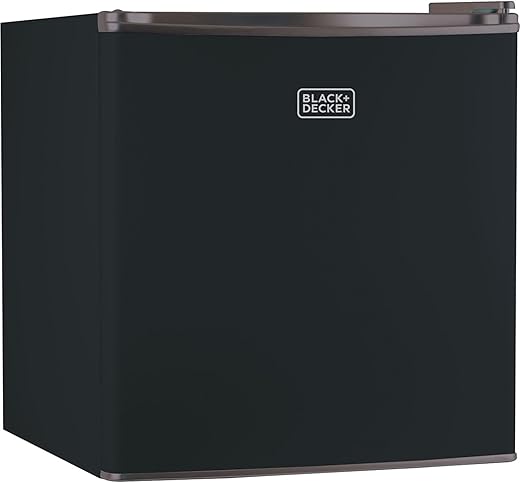
Loved the step-by-step examples — actually helped me see why my mini fridge might be costing more than I thought. Quick question: does the calculator let you compare the BLACK+DECKER mini fridge against a full-size unit if you input different wattages?
Also, the ‘When to Repair, Retrofit, or Replace’ section made me rethink buying a new dishwasher. 🤔
I did the same and realized the COMFEE countertop dishwasher uses less water+energy than handwashing for my family. Worth checking both energy and water inputs!
Great to hear the examples were useful! The calculator compares based on your inputs, so if you enter the wattage and usage hours for a full-size fridge it will show a side-by-side cost/carbon difference. We included the BLACK+DECKER as a typical compact example for readers who live in small apartments.
Yep, just plug in the rated watts and typical daily runtime. I compared my old fridge vs a new efficient one and the numbers were kind of shocking — saved me enough to cancel one streaming subscription, lol.
Nice article. I found the appliance-by-appliance comparison super practical. One tiny gripe: the assumptions section could be clearer about standby/phantom loads. A lot of devices add up quietly (looking at you, smart strips).
100% agree. I added a Kasa HS300 smart strip and it helped manage phantom loads, but you have to set it up right — otherwise the strip itself uses some power 😂
Thanks — good point. We tried to summarize common standby assumptions, but we can expand that section. In the meantime, you can use something like the Upgraded Watt Power Meter or Emporia Vue sensors to measure standby draw directly.
Nice mix of tech and low-cost tips. Two additions I’d suggest: 1) mention timing of use (off-peak rates) more prominently, and 2) a small FAQ about induction cooktops and older cookware compatibility. I nearly tossed mine because I thought my pans wouldn’t work.
Also, the article could use a few more images of the devices listed (visual learners over here).
For cookware: if a magnet sticks to the base, it should work with induction. Saved me a bunch of trial-and-error.
Fantastic feedback — we can expand the off-peak section and add a note about induction compatibility (or a cookware checklist). Images are on the list too. Thanks!
I like that the article mentions the Emporia Vue 3 and the Kasa HS300. Real talk: smart gadgets are great but you gotta balance cost vs. payback. The calculator helped me see that adding a home energy monitor paid for itself in ~10 months in my case.
If anyone’s curious, the Emporia Vue 3 paired with sensors let me track the fridge separately — I found a scheduling issue that doubled its duty cycle. Fixed it and cut ~15% from the fridge load.
I did it myself — basic electrical comfort recommended. But if you’re not comfortable with panels, hire an electrician.
Exactly — we tried to include a range of product examples so readers can pick based on budget and desired granularity. Emporia tends to give good whole-home insights if you’re into long-term monitoring.
That’s helpful. Do you need an electrician for the Emporia install or is it DIY?
Question: the calculator’s carbon output — does it adjust for regional grid mix? Like where I live, the grid is pretty clean, but my cousin in another state has coal-heavy power. Would the calculator show different kgCO2 for the same kWh?
That’s awesome. I switched the region setting and my dishwasher impact dropped a lot — felt better about running it off-peak with our hydropower mix.
Yes, the calculator includes regional grid carbon intensity options and defaults to a national average if you don’t specify. You can choose your region or enter a custom kgCO2/kWh value for more accuracy.
LOL the section ‘Turn Estimates into Action’ should come with a marching band. I used the suggested checklist and unplugged a bunch of chargers. My monthly bill felt lighter already. 😂
Two questions: 1) Any tips for roommates who ignore the efficiency plan? 2) Is the COMFEE 6-place dishwasher actually good for small flats?
Ha! For roommates, try sharing the calculator results — numbers can be persuasive. You can also set simple rules (e.g., cook together once a week) and assign an energy champion. As for the COMFEE, it’s a solid compact choice for small households — energy and water efficient vs handwashing, especially if you run full loads.
I had the COMFEE for 2 people and it worked great. Pro tip: pre-rinse lightly to avoid re-runs; it’s not as forgiving as full-size machines but saves water long-term.
For roommates, set a fridge temp and stick a note on it — passive reminders work surprisingly well 😂
Small rant: the appliance comparison table was super helpful but I wish it had an option to show lifecycle emissions (manufacture + disposal). I get that’s complex, but for big switches like replacing a fridge it’d be neat to see that context.
Still, nice tool overall.
Love this suggestion. Lifecycle assessment is indeed more involved; we tried to focus on operational emissions because those are the most actionable for most households. We’ll consider adding lifecycle estimates or links to LCA resources in a future update.
Agree — lifecycle matters for appliances. For now I eyeball manufacturer eco labels and the calculator’s operating savings to estimate payback vs embodied carbon.
Also check secondhand options — sometimes a well-maintained older appliance has a lower overall footprint than buying new. Calculator helps decide if repair is worth it.
Simple, practical, no-nonsense. The ‘Low-Cost and No-Cost Ways’ list had a few tips I hadn’t considered, like grouping cooking tasks to avoid reheating. The only thing missing: a short checklist printable PDF or quick export from the calculator so I can hand it to my partner 😂
Good idea — export/print feature is on our roadmap. For now you can screenshot results or copy the key numbers into a shopping/list app.
I made a one-page printout in Google Docs with the calculator outputs and pinned it on the fridge. Works surprisingly well as a reminder for my partner 😉