
Small Space, Big Impact: Tame Your Tiny Pantry
Cramped pantries hide as many as 200 forgotten items; use this 6-step plan to empty, measure, and install smart storage, clear clutter, group and rotate stock, track inventory, and adopt simple habits that free space and reduce waste now.
What You’ll Need
Empty Everything and Start Fresh
Why you must remove everything first—no, really: out of sight is out of your control.Start by emptying the pantry—think cans, spices, baking mixes, and snacks. Spread everything on a counter so nothing hides at the back.
Take everything out of the pantry and place like items together on a counter or table. This gives you a true picture of what you own, reveals expired items, and prevents the ‘I’ll remember later’ pile. Sort into keep, donate, relocate, and toss. Use this moment to wipe shelves, sweep crumbs, and check for pests or leaks. A full clear-out takes courage but pays off: many people find 20–40% of pantry contents are expired or duplicates. Photograph the empty shelves to visualize new layouts before moving items back.
Measure and Map Your Space
Want to avoid guesswork? Measure—your shelves will thank you (and so will your cereal boxes).Measure shelf width, depth, and height, plus door clearance and floor area with a tape measure. Record each dimension so you can match containers to real space.
Sketch a quick layout or take a photo and draw zones on it—label where snacks, cans, and your blender will go. If a top shelf is only 10″ high, don’t buy 12″ jars; choose stackable bins or short can dispensers. Consider risers, lazy Susans, or adjustable shelving that fit your exact numbers to avoid returns. Plan reachability: put daily items at eye level, heavier items low, and seldom-used items higher up.
Choose Smart Storage Solutions
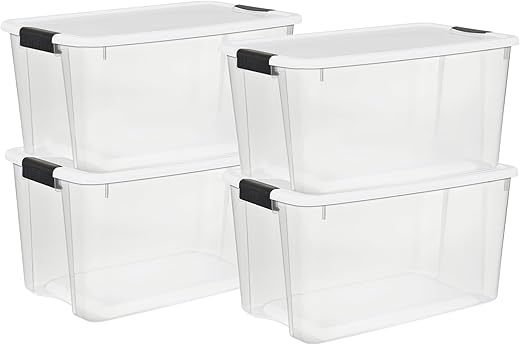
Bins, risers, and separators: the tiny-tools that multiply usable space like rabbits.Select clear, stackable containers for dry goods to maximize visibility and freshness. Choose short, wide jars for oats and taller, 2‑quart containers for rice so you can read levels at a glance. Picture swapping mismatched bags for uniform jars—instant order and fewer expired items.
Use narrow baskets for grab‑and‑go snacks and deep bins for baking supplies. Install shelf risers to create two usable layers on tall shelves and add a lazy Susan for corner bottles. Consider door‑mounted racks for spices, wraps, or foil to free shelf space.
Label each container clearly with contents and date. Repurpose glass jars for oats, rice, and beans to seal and showcase contents. Aim for uniform container widths to reduce gaps and make stacking intuitive.
Apply Smart Grouping and Rotation
Group like with like—and rotate: what you see gets used, what you don’t will expire.Reintroduce items to the pantry by zone: baking, grains, canned goods, snacks, breakfast, and beverages.
Place items into clear zones so you can see everything at a glance:
Place newest items behind older ones — first in, first out (FIFO) — so nothing expires. Keep heavy or bulky items on lower shelves and light, frequently used items at eye level. Create a visible snack bin for kids and a designated breakfast area for quick mornings. Use small bins as dividers to prevent toppled cans and stray packets and to keep grouped items tidy and easy to rotate.
Maintain an Easy Inventory System
Ditch the guessing game—one quick list prevents five wasted trips to the store.Keep a simple inventory list on the pantry door: a magnetic notepad, small whiteboard, or a shared phone note. Update it every time you take the last of an item or open a new package.
Schedule a monthly 10-minute check to remove expired goods and note low-stock items. Example: when you finish a jar of pasta sauce, cross it off and add “pasta sauce” to the list so you don’t buy duplicates.
Use a tech option if you prefer—apps that scan barcodes or shared lists (e.g., AnyList, Google Keep) let roommates add items in real time.
Regular inventory prevents overbuying, reduces food waste, and keeps restocking focused.
Adopt Habits That Keep It Tidy
Think of your pantry like a plant—water it weekly with tiny habits and it’ll flourish.Commit to small, repeatable habits. Do a 5-minute tidy weekly, immediately rehome items taken out, label any new container when added, and return things to their designated zones.
Over time, these tiny rituals preserve organization and turn your tiny pantry into a dependable asset rather than a source of stress.
Small Changes, Big Results
A few focused steps—clear, measure, fit smart storage, zone, track inventory, and form habits—turn a cramped pantry into an efficient, stress-free space. Start with one shelf, try it, and share your results to inspire others and celebrate small wins together.
Okay, long post bc I actually did this twice and learned some things:
1) Empty everything — seriously, don’t skip. You’ll find expired condiments.
2) Measuring saved me from buying three things that didn’t fit.
3) I made a map and taped it to the inside door — my roommates actually use it now.
4) Inventory app helped with groceries.
Really wish I learned these sooner, would have saved money and time.
Map taped to door is genius. Might borrow that idea for my garage shelves 😂
Amazing breakdown, Sofia — thanks for detailing your process. The map-on-door trick is brilliant for shared spaces.
Short and sweet: measure first. I learned that the hard way. Also, label everything.
Haha, mine raid the ‘treats’ bin. Labels didn’t help with that one 😉
Labels = game changer. Even made my kids stop opening the ‘preschool snacks’ bin 😂
Yes — measure then label. Two tiny steps that avoid a lot of wasted returns to the store.
Loved the step-by-step — I actually tackled my pantry this weekend and followed steps 1, 2 and 3. Measuring first saved me so many headaches when picking organizers. Quick tip: buy clear stackable bins for snacks — you can see everything at a glance!
Nice! I keep meaning to measure but always eyeball and then regret it. What size were your shelves?
Thanks for sharing, Maya — glad the guide helped! Clear bins are a favorite for visibility. Which brands did you end up using?
Shelves are 10″ deep and I used 8″ bins so there’s room to pull them out. Works great!
Measuring and mapping saved me money. I bought organizers that actually fit instead of returning 3 different sizes. Also, the guide made me realize I had duplicate staples — cheez…
My one critique: would love more photos/examples of container sizes for common shelf depths.
If they add pictures I’ll use them as a checklist. I bet others would too.
Thanks, Carlos — that’s helpful feedback. We’ll consider adding a visual sizing chart in a follow-up post. Glad measuring saved you returns!
Agree on the photos — a visual guide for 8″ vs 10″ shelves would be super helpful.
Thanks — hoping for that update. For now I measured every shelf and noted it on my map.
Good article — concise and practical. One question: for rotation (step 4), how do you handle items with different expiration ranges? I have canned goods from years ago and newer ones mixed together.
I group by expiration within categories — all canned tomatoes together sorted oldest to newest. Takes 10 extra minutes but prevents surprises.
If you use labels, pick a removable label so you can update dates without leaving sticky residue.
Great question. We recommend marking dates you add to the shelf (with a small sticker) and placing newly bought items behind older ones. Also, use an inventory list (step 5) so you can see what’s oldest at a glance.
Thanks, that sticker idea sounds easy to implement.
Tried this and mostly succeeded but two things annoyed me:
1) My tiny pantry door hits a shelf if I put bins behind it — weird layout.
2) My partner never follows the rotation system.
Any tips for awkward doors and for getting household members to cooperate?
Door issue: magnetic shallow racks on the door are lifesavers if the door is metal, or slim hanging organizers otherwise.
We put a little chart on the inside of the pantry listing where things go — made my partner actually put stuff back. A bit of training goes a long way.
Thanks — a ‘their’ shelf might work. I’ll try the chart idea.
For door interference, consider shallower bins near the hinge or moving frequently-used items to the front. For household cooperation, a short orientation (5 minutes) and visible labels often help — plus keeping a designated ‘their’ shelf can make people more likely to follow the system.
I turned my tiny pantry into a mini command center for the house. It holds snacks, baking supplies, dog treats, and a small mail basket. Steps 2 and 3 were huge: measuring and then picking modular containers.
Some notes:
– Use slim stackers for spice packets.
– Keep daily items at eye level.
– Put heavy stuff low.
Feels like a tiny miracle every morning.
I also keep a small whiteboard inside the pantry door for notes and shopping reminders. Works well with your command center idea.
Love that you made it a command center — that’s smart multi-use thinking. Thanks for sharing the placement tips (eye level, heavy low).
I dug into step 3 (storage solutions) and tested three setups: clear bins, lazy susans, and wire baskets. Results:
– Clear bins = best visibility, stackable.
– Lazy susans = perfect for oils, condiments.
– Wire baskets = breathable for root veg but less tidy for small items.
Mixing these based on item type worked best. Also: measure the height of tall bottles before buying organizers — you’ll thank me later.
I never thought of wire baskets for root veg — great idea for small apartments where you don’t have a garage.
Yeah, wire baskets let air circulate so onions and potatoes last longer in my pantry.
Fantastic real-world test, Paul — those comparisons are exactly the practical info readers need. Agree on measuring height for bottles.
I struggled with awkwardly shaped packages. After step 3, I invested in a few adjustable shelf risers and some square containers for pasta and flour. Life-changing.
Also, maintaining the inventory (step 5) was the hardest habit to build — I set a weekly 5-minute check on Sundays and that helped a lot.
Adjustable risers are underrated — they double usable space. Love the weekly check tip for habit-building.
What app did you use for inventory? I’ve tried a couple but they felt clunky.
I use a simple shared Google Sheet — nothing fancy, but it works with my partner.
No problem! Start small and it’s surprisingly sustainable.
Omg the 5-minute Sunday check is something I can do. Thanks for making it actionable.
This helped but wow I have so many single-use packets from takeout. Who needs 15 soy sauce packets? 😂
Also, tiny typo in step 3 — ‘chooose’ had an extra o. No biggie but noticed it while skimming. Keep the tips coming! ♥️
I save unopened sauce packets for lunches when I’m in a rush. Otherwise they just clutter up the pantry.
Thanks for catching that typo, Hannah — fixed! And yes, those single-use packets multiply like rabbits. A small snack bin for ‘extras’ can keep them contained.
Inventory system tip: I use color-coded stickers (red = urgent, yellow = use soon, green = fine). It makes rotation instant — no apps, no fuss. Also helps the kids understand what to grab.
Would love more tips on dealing with bulk buys (rice, beans, flour) in tiny spaces.
I use stackable bins for bulk and a small scoop in each bin so there’s no cross-contamination. Also label with weight left.
Color-coded stickers are brilliant and super low-tech — thanks for sharing! For bulk buys, airtight stackable bins or vacuum-sealed bags that slide under shelves can help.
Nice — scoop idea is killer. I’ll try that.
Step 1: Empty everything. Step 2: Realize you own 12 jars of honey. Step 3: Cry. Kidding — mostly. This guide would also be titled ‘How to Find Snacks You Forgot You Bought.’
Haha, the rediscovery of snacks is one of the best parts. Pro tip: small clear bins for single-use snacks so they don’t get lost again.
12 jars of honey = you’re living your best life. Or you hoard pancakes. Either way, relatable.